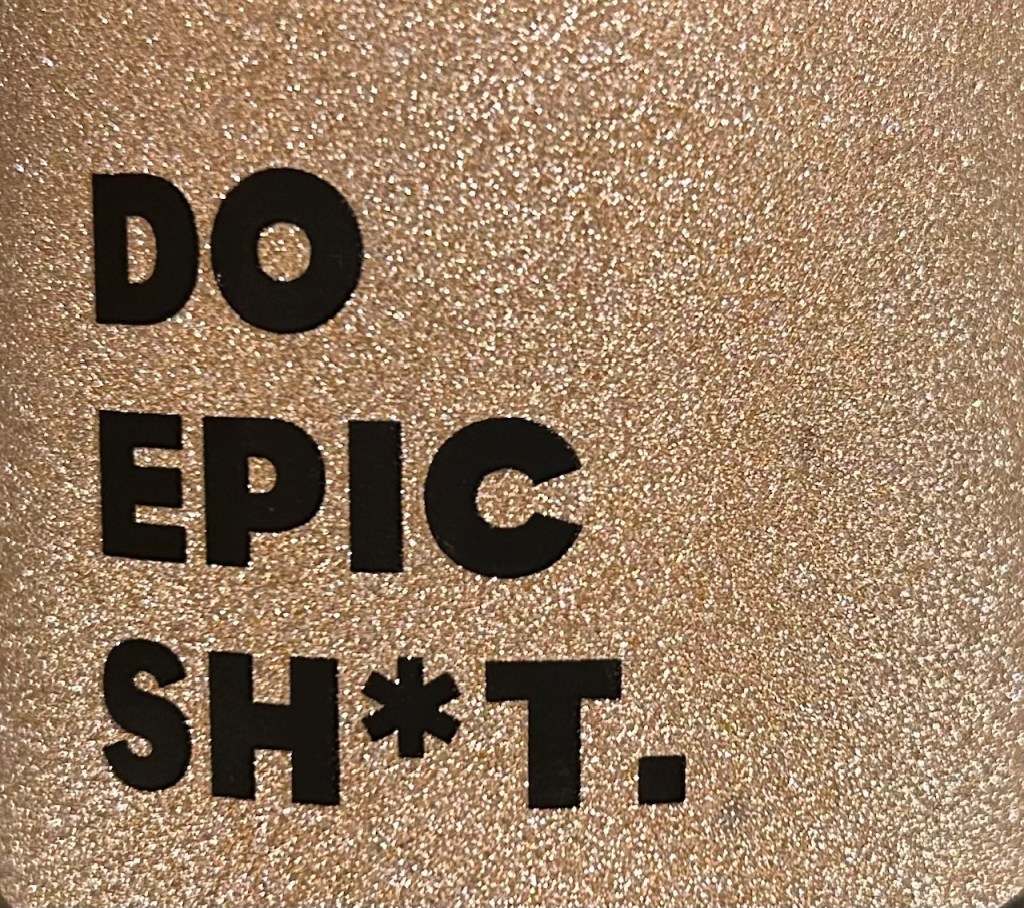
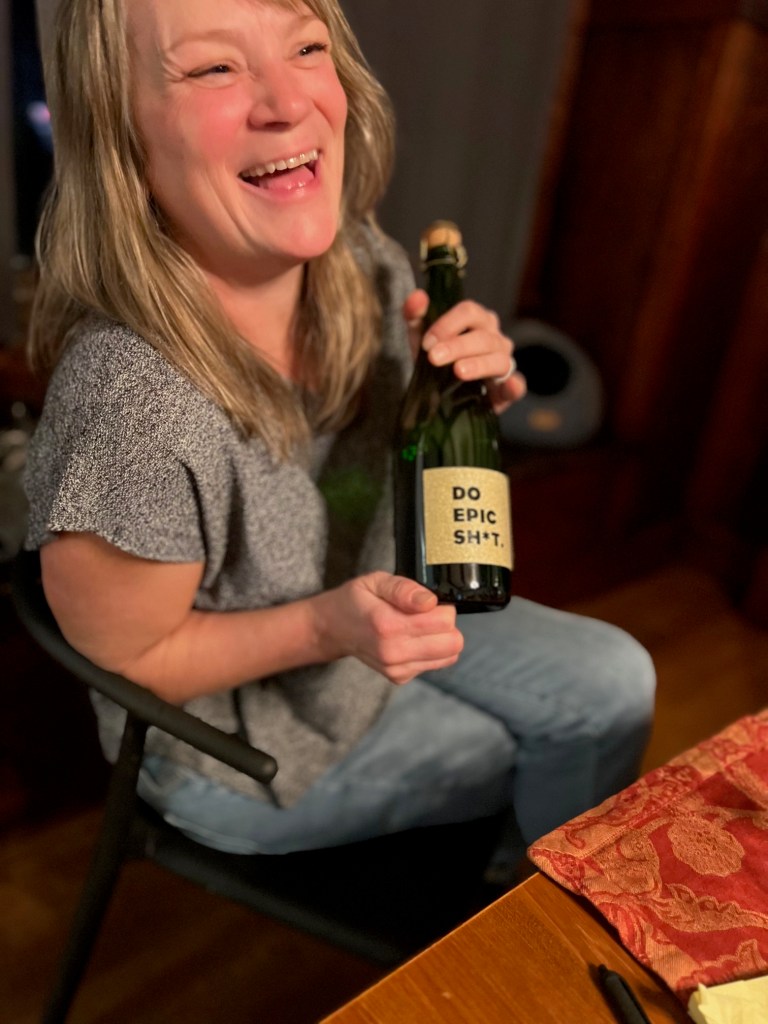
>>>>> Featured image: What it says! A glittery label for the sparkling wine from Browne, owned by Seattle-based Precept Wine, and produced in Albuquerque, which I think means it’s kinda…Gruet? It was lovely, and that label, clever. <<<<<
As I look back on a year of writing here on the blog, I can not help myself from coughing up the traditional, annual review. I’ve written before that I don’t “do” resolutions,” so there will be none of that here.
Instead, in a spirit of (constructive!) reflection, let’s walk through some key highlights and consider a few lows.
It’s been interesting to watch Wine Is a Food Group’s 2025 Wine Predictions play out. I’m pleased to see that statewide, white and sparkling wine appears to have increased, if not in production—yet—in visibility and a star on the rise. This year, articles published by Sean Sullivan in Seattle Metropolitan and Washington Tasting Room magazine’s “Upswing of White Wines,” (on the cover of the current Winter ’25/’26 issue), as well as distinctions such as the state’s first 100-point white wine, 2022 Tenor La Reyna Blanca Vineyard Chardonnay, are among some of the factors that have helped amplify the profile of white wine from Washington state.
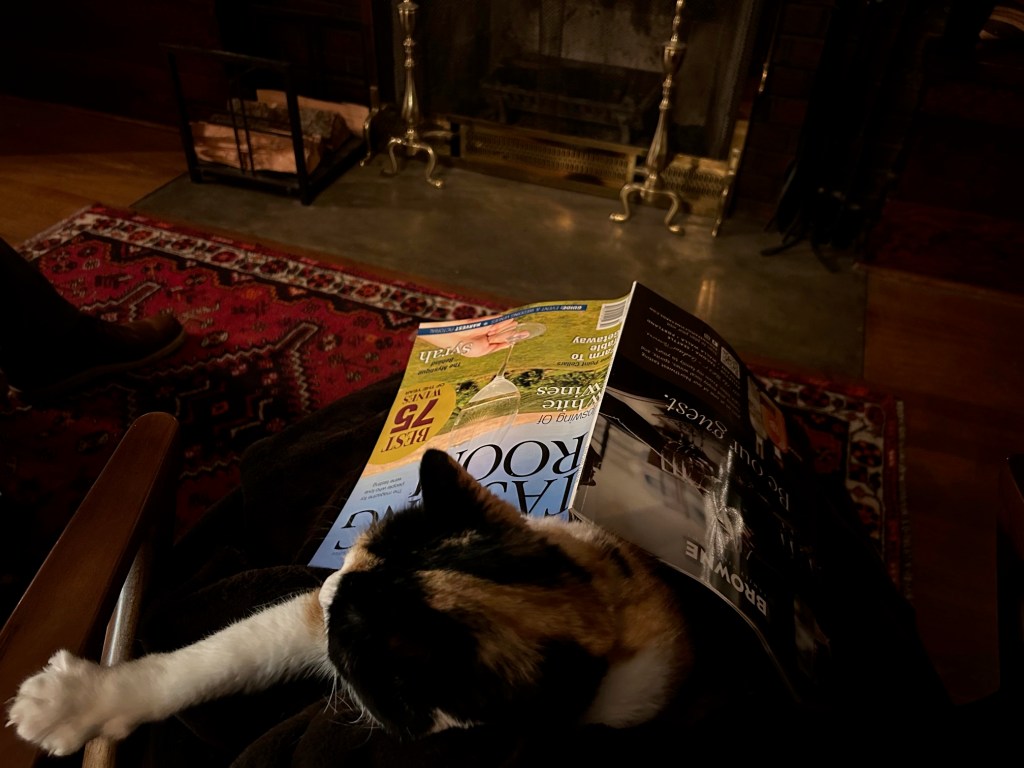
In fact, my December column for Wine Is a Food Group, “Sparkling Wines With Stories That Pop,” looks at five local sparklers and the story behind them. As I dug into the piece, it became obvious all five wines were produced in the traditional method, the most labor and time intensive way to make sparkling wine, and additionally, four out of five were produced from a single varietal, from a single vineyard, from a single vintage. Washington state doesn’t have the same growing or style designations as Champagne, and in general, the sparkling wine market here is low on the prestige-o-meter, but day-umn! These producers are leveling up the bar and setting a new, higher quality standard for what’s possible here.
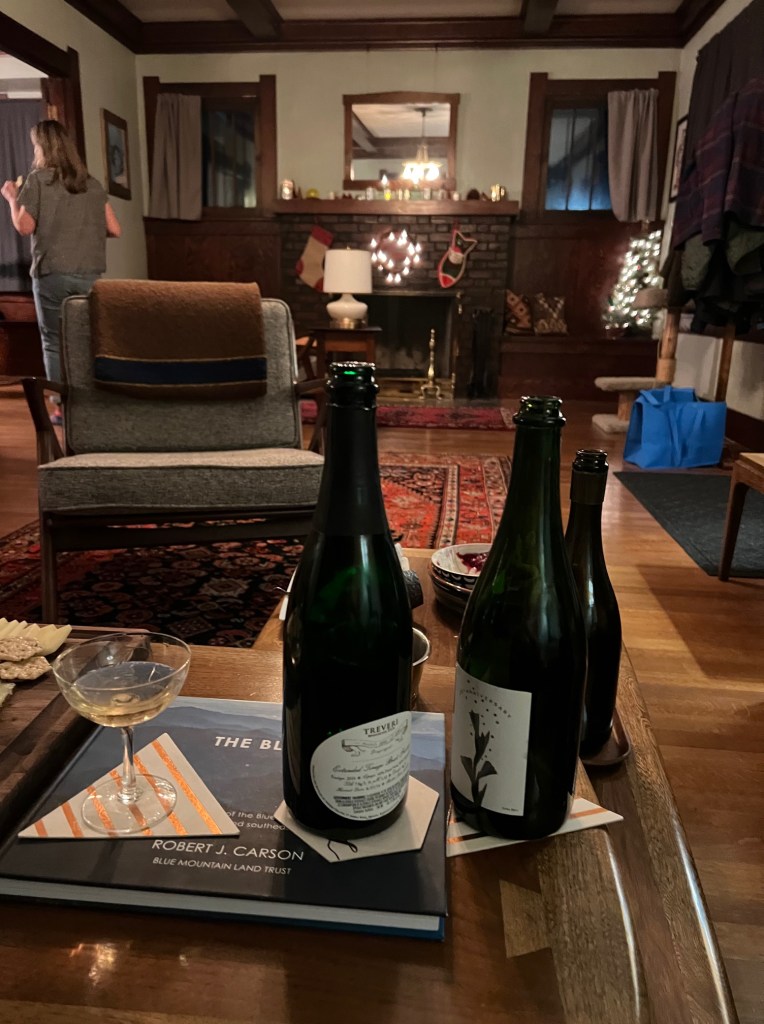
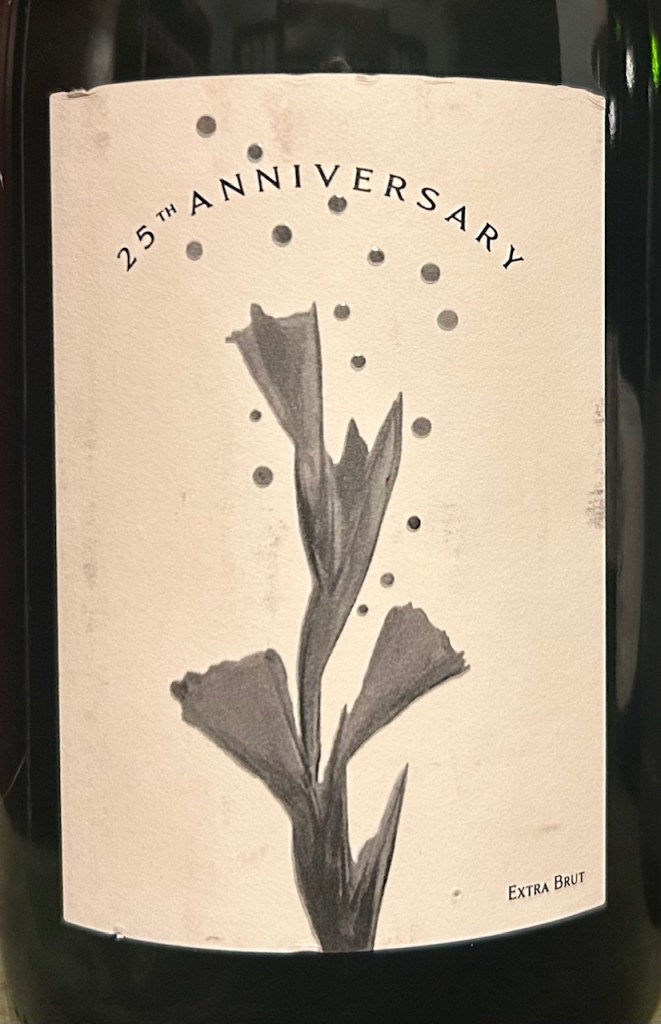
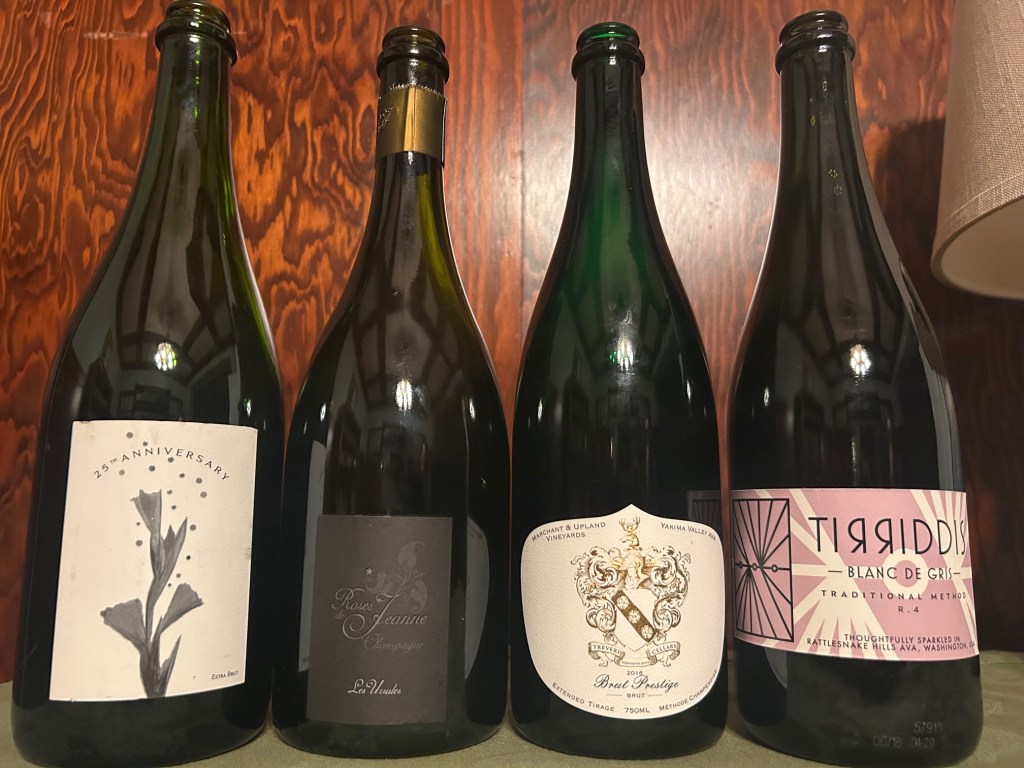
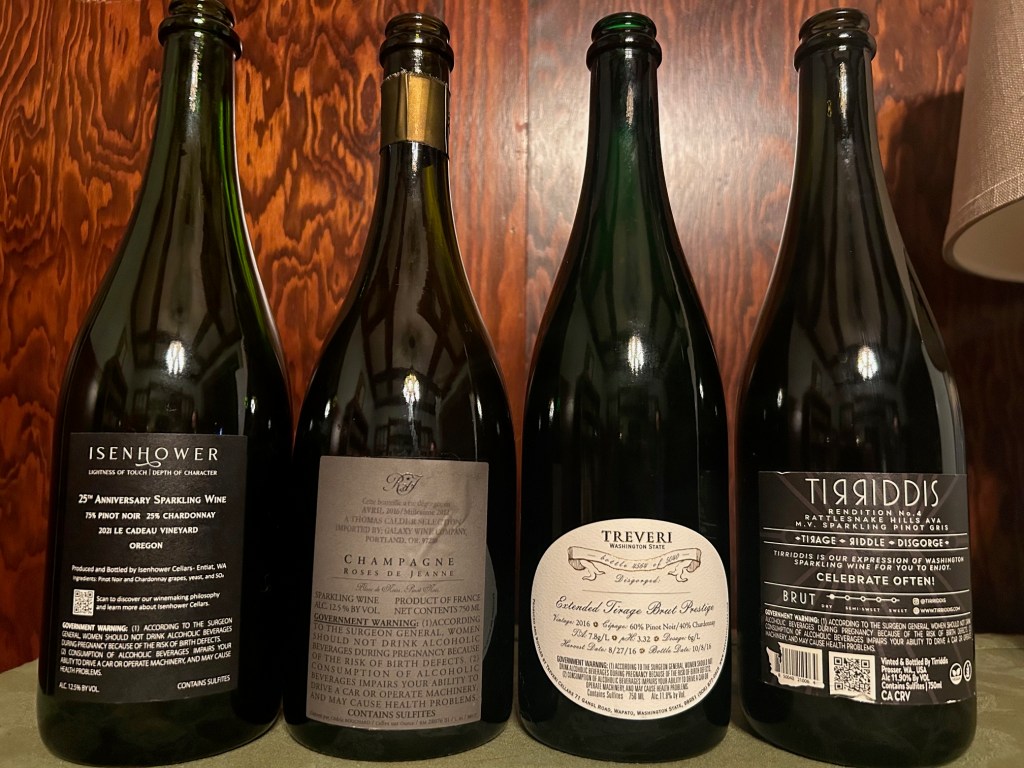
>>>>> Above: Our holidays so far have featured some lovely sparkling wine, including, from left to right, the 25th anniversary sparkling from Isenhower (an elegant and crisp pinot/chardonnay); two 2016 dated wines—the disgorgement date for a beautiful, creamy Roses de Jeanne from France (provided by generous friends!) and the vintage for the extended tirage Treveri, a little something “extra” from Washington’s largest sparkling house; and the Tirriddis Blanc de Gris, Tirriddis being, we have found, a regional producer of reliable and affordable sparkling wine.<<<<<
Here’s a PDF of the story (though by the time you’re done reading this sentence you’ll have my voice in your head kindly asking you to subscribe to the Walla Walla Union-Bulletin, which keeps me in craft IPA money and cat medical expenses. Those Solensia shots don’t buy themselves!).
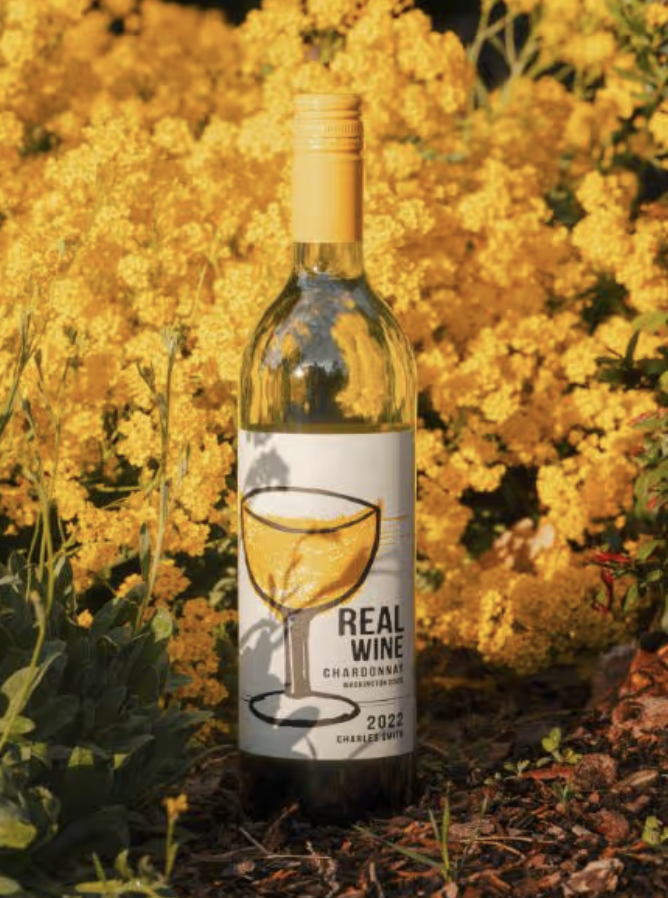
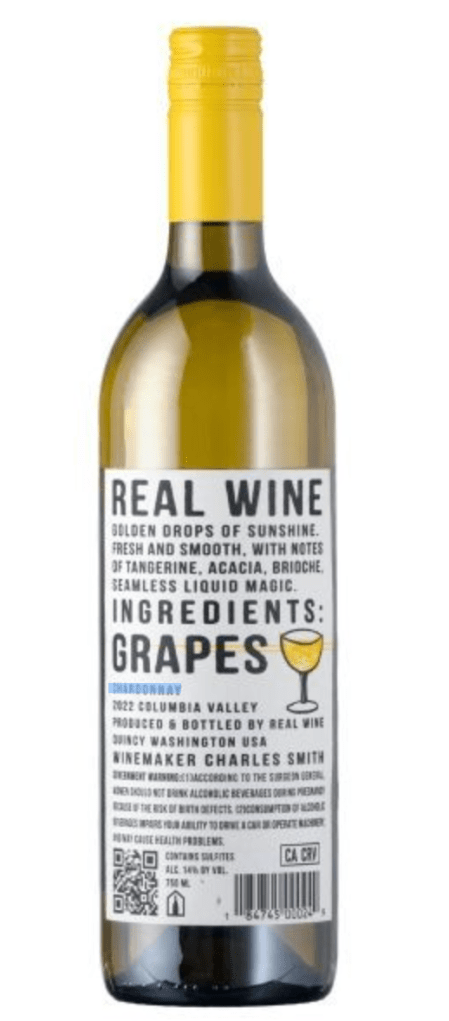
Ingredient labeling was another bullseye, noticeably observed this year with the launch of Real Wine, a line of wines from Charles Smith that feature all wine ingredients on the label. “Transparency isn’t a trend—it’s a responsibility,” Smith said in the press release. “I am committing to proudly listing our ingredients on every label in our portfolio.” (Another brand apparently committed to ingredient labeling is Cameron Diaz’s Avaline, which has sourced cabernet from the Columbia Gorge, though it appears the “new” release of the wine is made from grapes grown elsewhere.)
On a somber note, I am troubled by a few other factors from the predictions piece that are positioned to be real challenges in 2026. These are aspects of hospitality, as well as human-powered notions of “sustainability” in the wine business.
2025 saw quite a few tasting rooms shutter across town, a trend looking to continue into 2026, as wineries downsize their satellite tasting rooms (as Avennia did, quietly this month) and trim overhead on underperforming properties (as Toby and I experienced personally, when Canvasback closed in May, news I covered briefly here).*
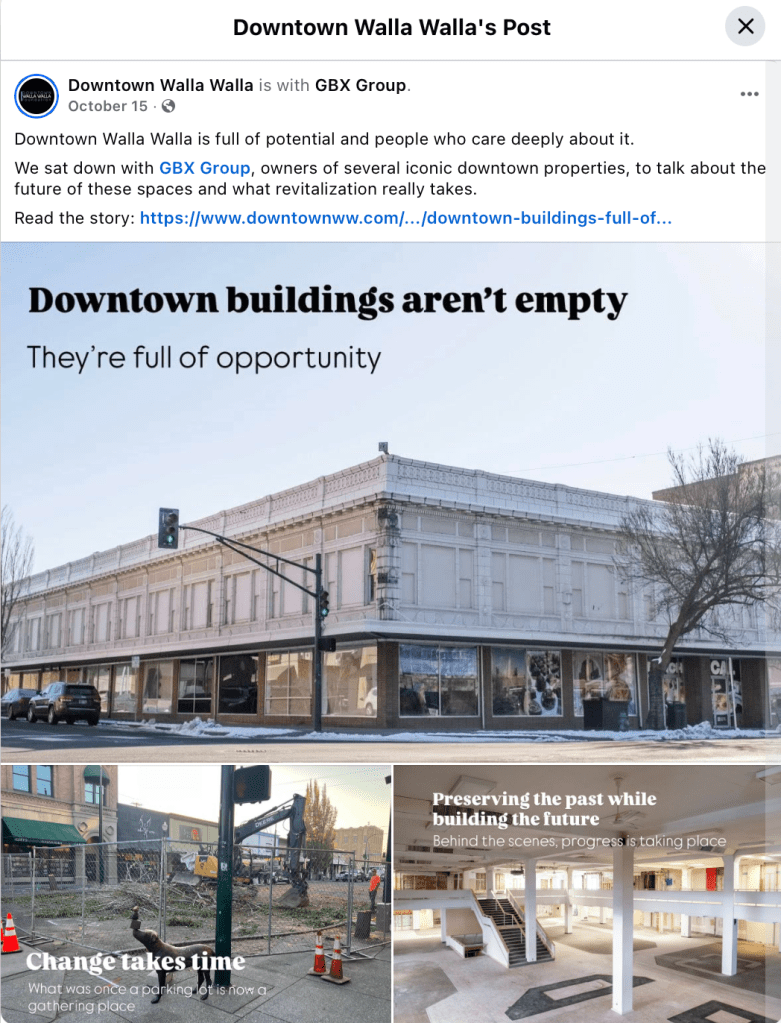
I wrote in my October column, “Harvest of Hope,” about the “tasting rooms such as Canoe Ridge, Truthteller, Otis Kenyon, and Guardian Cellars” that shuttered this year, along with a variety of other businesses. But if I didn’t make it clear just how depressing it is to walk down Main Street and encounter empty storefront after empty storefront—and I know, “progress takes time,” and “…but the building codes!” etc.—just scroll through this vigorous comment thread from equally frustrated local residents on this post from the Downtown Walla Walla Foundation (that appeared a few days after my column was published).
Sustainability in wine is huge these days and another subject I explored this year for Decanter. But talk is cheap when you don’t factor in the human element that powers the business in the first place—the people who work in the industry, who start families, who buy local, purchase homes and cars, start businesses, and help bolster the local economy to create a community that’s worth visiting.
It’s hard to see how sustainability is being prioritized in our historic downtown, the much-marketed, public face of Walla Walla wine. Whether it’s the cost of rent keeping would-be entrepreneurs from starting a business (or keeping one going), or a lack of incentives for landlords to do things with their unoccupied properties, it’s unclear if there is a vision for sustainability at all. (Fun fact! Just down the road in Pendleton, a new ordinance goes into effect next year requiring landlords to make plans for their vacant buildings or face fines.)**
We have to get serious about this, especially as the scourge of ICE—at press time last year, just a chill-inducing concept yet to fully deployed—looms large, with massive implications for our agricultural region. Individual lives and families, livelihoods, our community identity, the local wine economy and all the businesses that rely on it are all now at stake.
Looking to 2026, what better starting point for the newly organized Walla Walla Wine Alliance, as well as the returning members and fresh elects to City Council, than to address the question: What’s the game plan, Walla Walla?
I hope the solution offers some version of a happy new year, full of epic shit, and action that recognizes all there is to lose.
* Over the past few years, we did see a handful of new tasting rooms come to town, news that I covered here.
** I say this with knowing irony, as I served a full three-year term on the city’s Sustainability Committee, an advisory committee to city council, which was, to me, an education in bureaucratic busywork with the actual capability of producing very little.
 Gwendolyn Elliott
Leave a comment