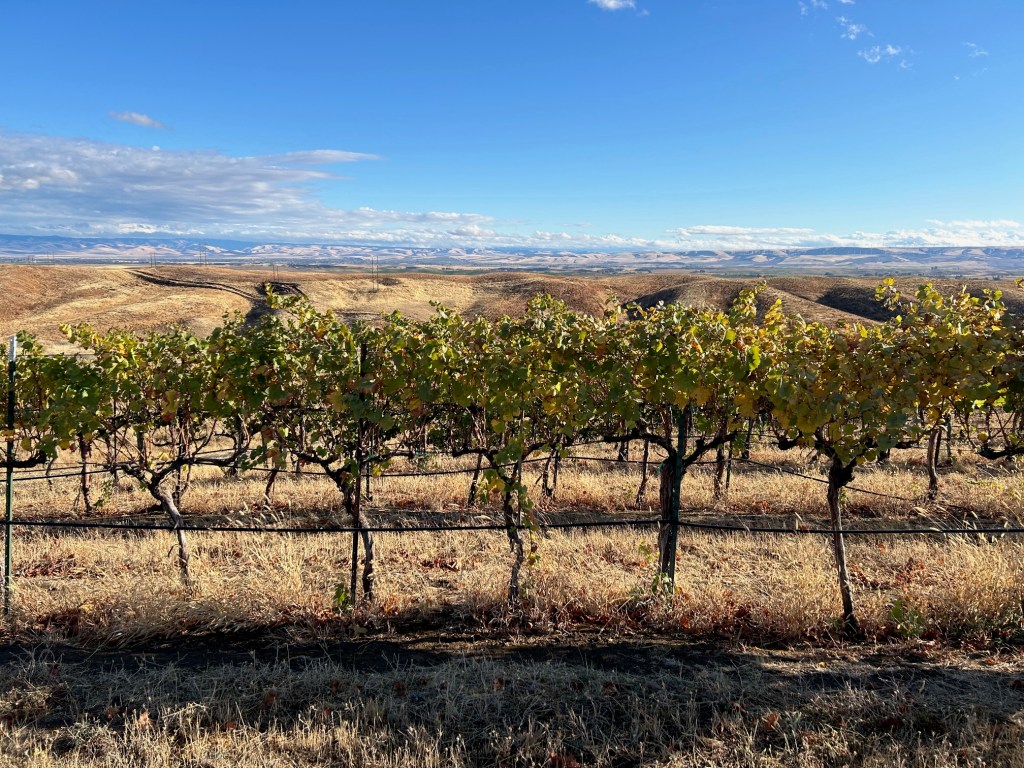
>>>>> Featured image: Vines at Woodward Canyon Estate Vineyard in Lowden. Snapped on my tour there October, 21 2024. <<<<<
This post was originally published in the Walla Walla Union-Bulletin.
What a difference a year makes.
One year ago, launching a wine column was not exactly top of mind.
Drinking wine, on the other hand — yes. That was my reward for getting through the daily slog of my then-job in corporate marketing, a role I was eager to put behind me. I was ready for a change, but unsure of my next move.
Working remotely at home from my basement office, I felt very isolated. My husband, Toby, and I are wine lovers, and we moved to Walla Walla to live in wine country. Toby had started a job at a winery and came home everyday with stories of all the interesting people he was meeting, and how fun it was to work in the wine business.
What was I still doing tethered to a company across the state, in a role that made me lonely and miserable?
I began to explore the possibilities. When an article in the U-B announced the return of wine writer Sean Sullivan‘s Writing for the Winery class to Walla Walla Community College, I was inspired to enroll. I loved it. Sean had an encouraging way of “seeing” my passion for writing, something I had built over the years as an editor and writer for newspapers and magazines.
Meanwhile, I had applied for the inaugural Allen Shoup Memorial Wine Writing Fellowship. I started to pick up shifts at a local tasting room. A new energy was coming into my world. Eventually, I felt ready to make the leap.
In May, a week after I put in my notice to leave, I learned I had been awarded the fellowship. Shoup, who passed away in 2022, was the former head of Chateau Ste. Michelle and the founder of Long Shadows winery. He was an instrumental force in Washington state wine, and the fellowship was created to help amplify his impact through writing.
After the shock wore off (like most writers, I am riddled with self-doubt), this set me on a course of writing and learning about wine for the rest of the year. I launched a website, and took an incredible trip across the Columbia Valley to learn about Washington state appellations and vineyards, and meet with winemakers and growers.
I began to think critically about the state of wine writing. I had worked for a number of now-shuttered publications, and through enough layoffs and downsizes, to know the volatility of the publishing world. I was aware that wine writing itself, a hyper-niche, and very small, slice of that world, was especially vulnerable to industry challenges (Wine & Spirits magazine, for example, published its last issue while I was still enrolled in class). I began to consider the history of wine writing (male-dominated), and how wine is often covered (with ratings, reviews, and scores).
Part of what I suppose could be called the charter of my fellowship is to, somehow, try to meet those challenges and address those issues. For now, I’m learning my way towards that. What I do know is that in this valley of over 120 wineries, there are countless, compelling, stories to be told.
This column’s name, “Wine Is a Food Group,” nods to this. Like the foundation of the “grain” group to the food pyramid, our local wine industry has been a cornerstone of economy, tourism, and community for decades. This column will explore the building blocks of Walla Walla’s wine world — the ideas, projects, and people who contribute to a product that powers our region, and has been bringing people together for centuries.
To kick off this “nutritional guidance,” I asked local wine experts for their predictions of what’s to come as we look ahead to this new year. From my personal experience, my forecast is that our vibrant wine scene will continue to nurture opportunity and connection for the next new thing.
Prediction #1: Smart strategies help wineries achieve greater efficiency
These include “mechanized innovations in the vineyard that save managers time, money, and manpower so they can focus their crews on the fine tuned work that humans are good at. New pruning techniques that get more productive working years out of the vines and reduce the amount of replanting needed. And, innovations in packaging that help the carbon footprint, lighter glass bottles being the main focus.” – Joe Czarny, Winemaker, Canvasback
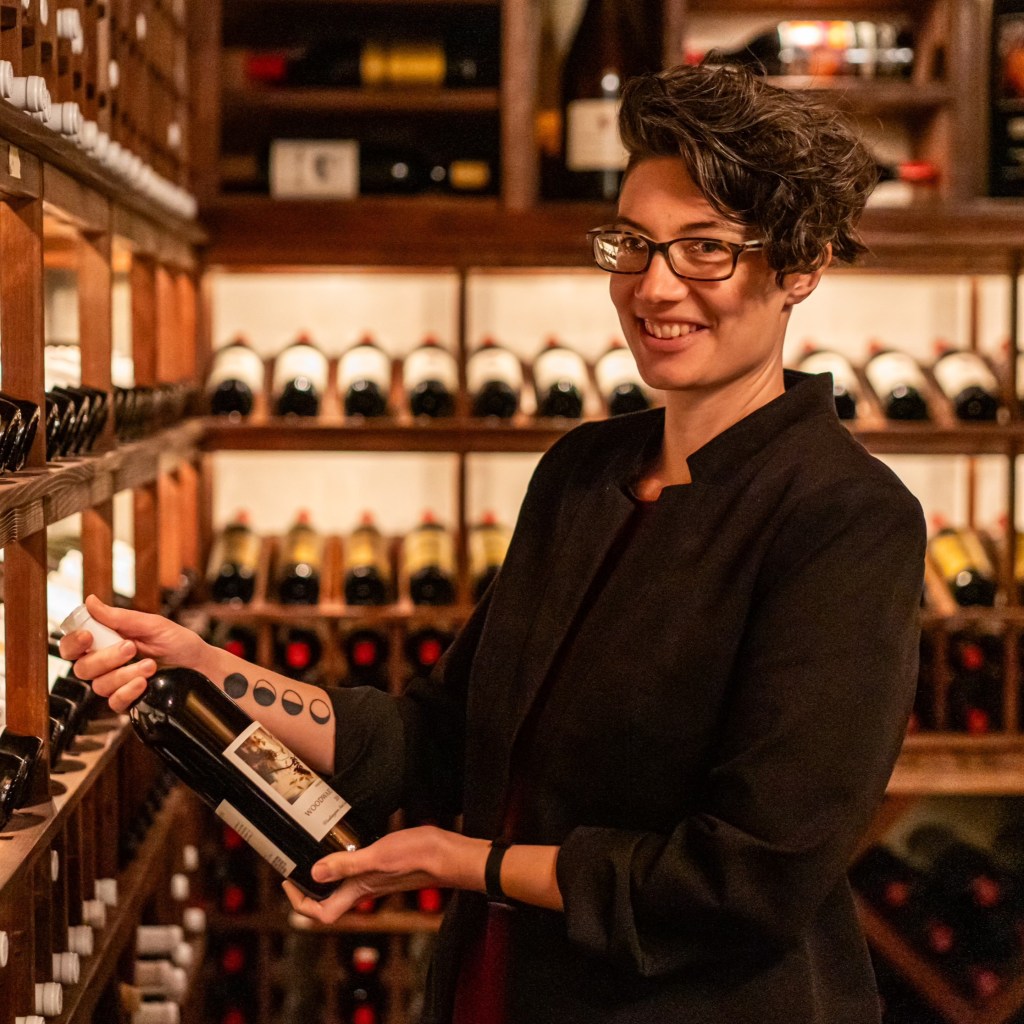
Prediction #2: Wineries invest in hospitality
“Covid changed the way many wineries presented their tasting experiences, and I think many haven’t evolved beyond that ‘put down glasses, pour wine, leave a tech sheet, and walk away’ style of tasting. This does not provide for a warm, welcoming experience. I think the wineries that will succeed will be the ones providing top-tier hospitality, warmth, and connection.” – Jordan Small, General Manager, Woodward Canyon
Prediction #3: Sparkling and white wine production increases
“I’ve been making pét-nat since 2019. Our pét-nats always sell out. We are increasing our production of pét-nat and adding méthode champenoise. I know a lot of other wineries in the Valley are starting or have started méthode champenoise, too. Whites are [also] underrated. We planted some picpoul and I can’t wait for it to come online.” – Toby Turlay, Winemaker, Ducleaux Cellars
Prediction #4: People move to the heart of sustainability issues
“Customers are realizing that sustainability doesn’t just pertain to the land, but also the people. At Vital, we’ve been delivering that message for a long time and only recently have I felt that people already understood what I was saying before I had to say it. That’s new. This change is taking place from the ground up, as more people, consumers, your co-workers, you, do their bit to push for human sustainability.” – Ashley Trout, President and Founder, Vital Wines
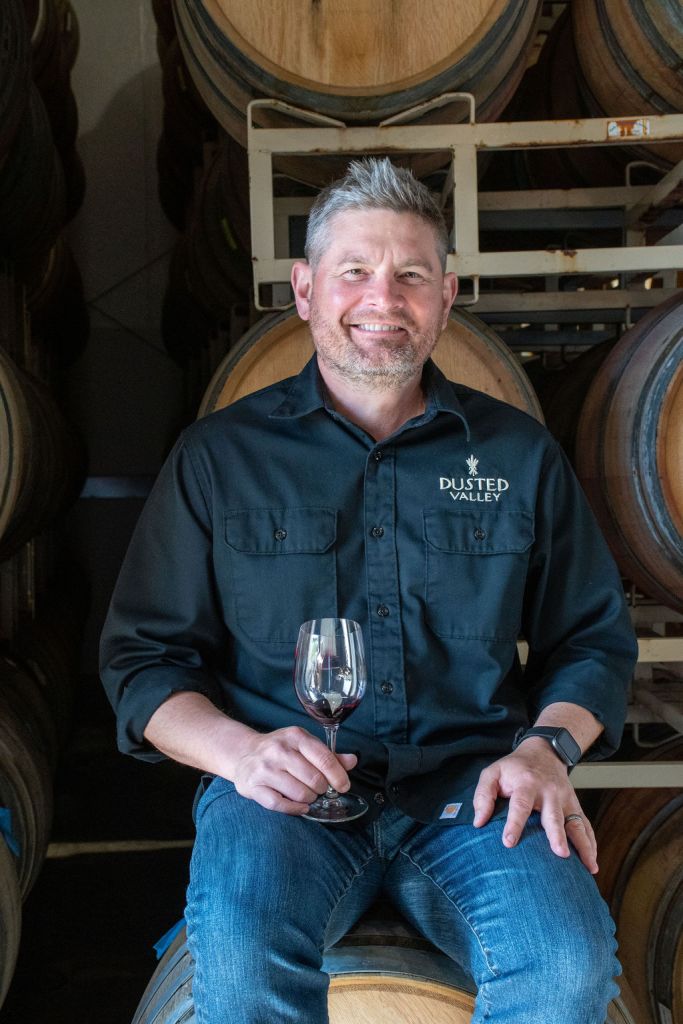
Prediction #5: Au naturel is IN
“The marketplace is asking for authentic wines that are at minimum sustainable, demonstrate stewardship of the vineyard, and include low intervention, organic, biodynamic, and the always hotly debated ‘natural’ wine. Dusted Valley has been growing certified sustainable grapes for years. We are switching two of our vineyards to organic practices. We are delving into regenerative farming. When you farm for healthy soil and environment, grape and wine quality follows.” – Chad Johnson, Wine Grower and Owner, Dusted Valley
Prediction #6: Labels level up
“Transparency on all wine additives on labels or through QR codes on labels is hopefully something the consumer is going to demand. I am checking labels for ingredients when I am buying food. It should be the same for any beverage.” – Serge LaVille, Winemaker, Reali Family Vineyard
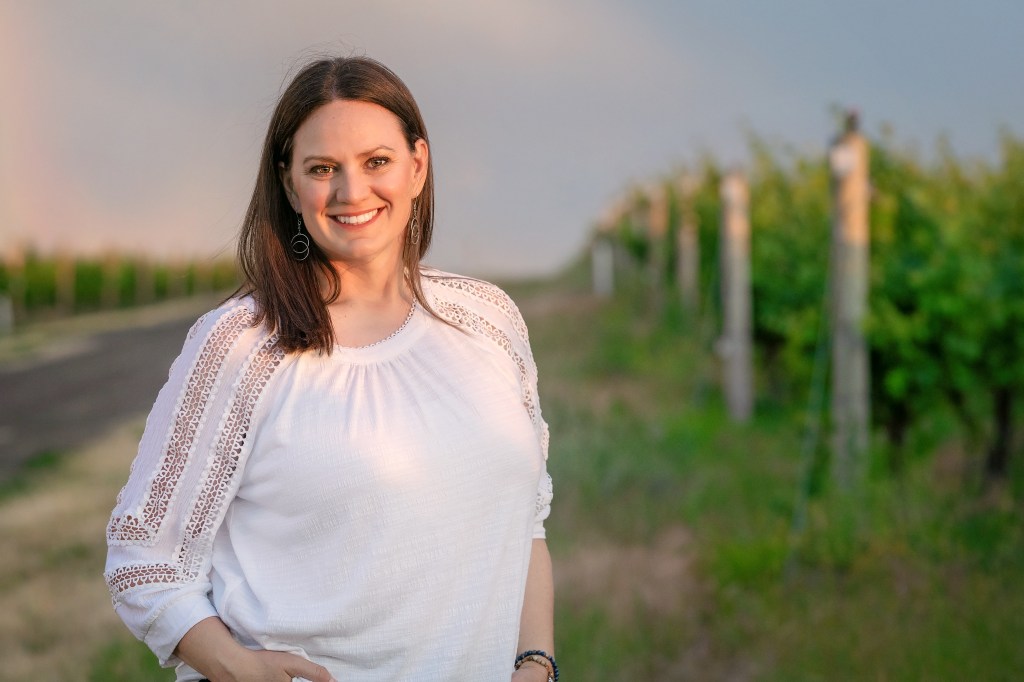
Prediction #7: Marketing lands the message
“Wine is the perfect alcoholic beverage. Wine is meant for sharing, and making it fun and social. It contains less sugar and ingredients than many other beverages in the market. Marketing wine as the perfect sharable and social beverage is a huge opportunity as we continue to bounce back from the Covid era.” – Sadie Drury, General Manager, North Slope Management


 Gwendolyn Elliott
Leave a reply to Cora Grey Cancel reply