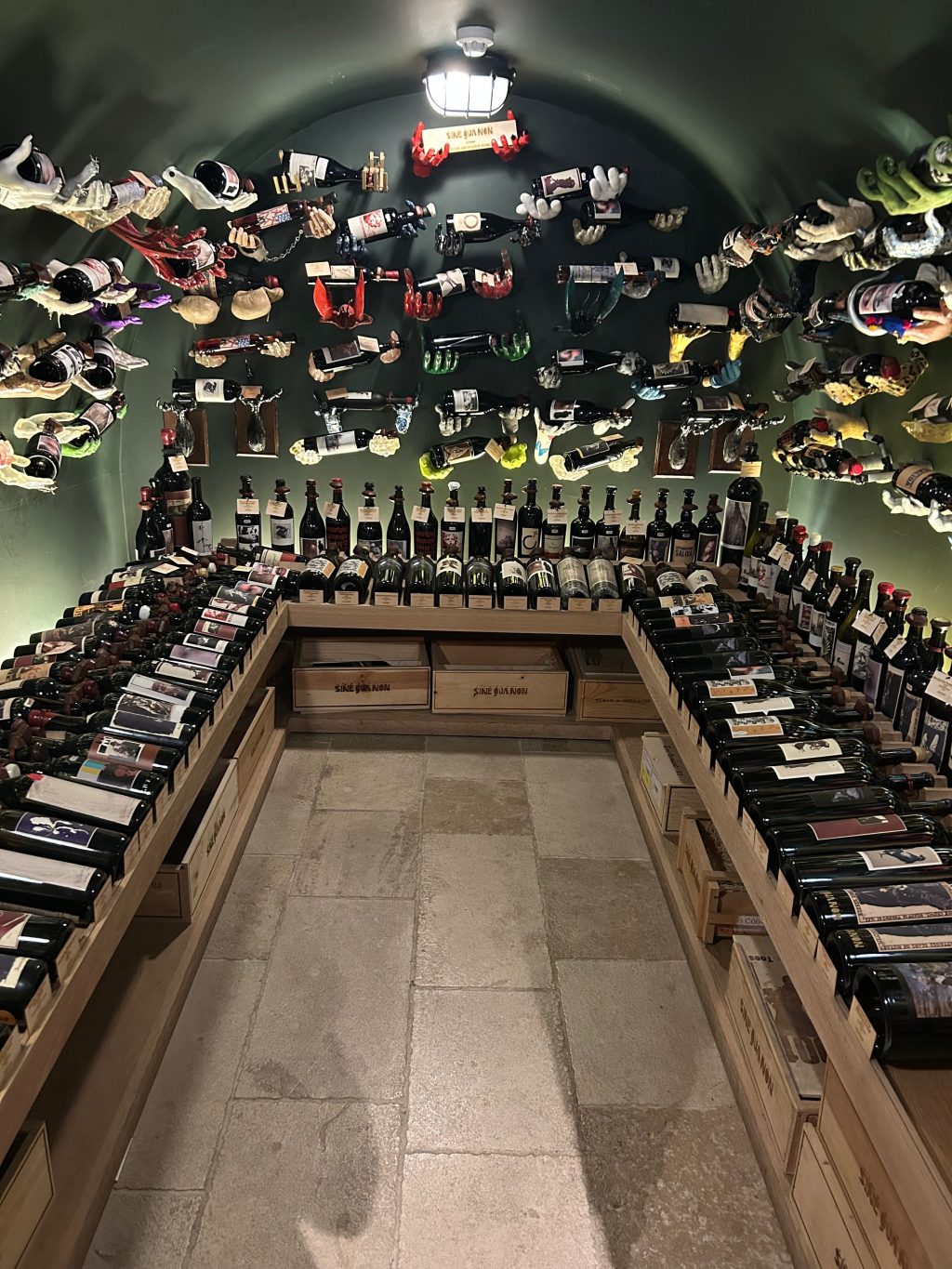
>>>>> Featured image: The Sine Qua Non room at Hedonism wines in London. <<<<<
I am slowly emerging what feels like (but isn’t exactly) a long summer vacation. I thought I’d distill my blog hiatus into some wine-related reasons you should care, and date myself with a Seinfeld reference while I’m at it.
Pairing wine with vegetarian food
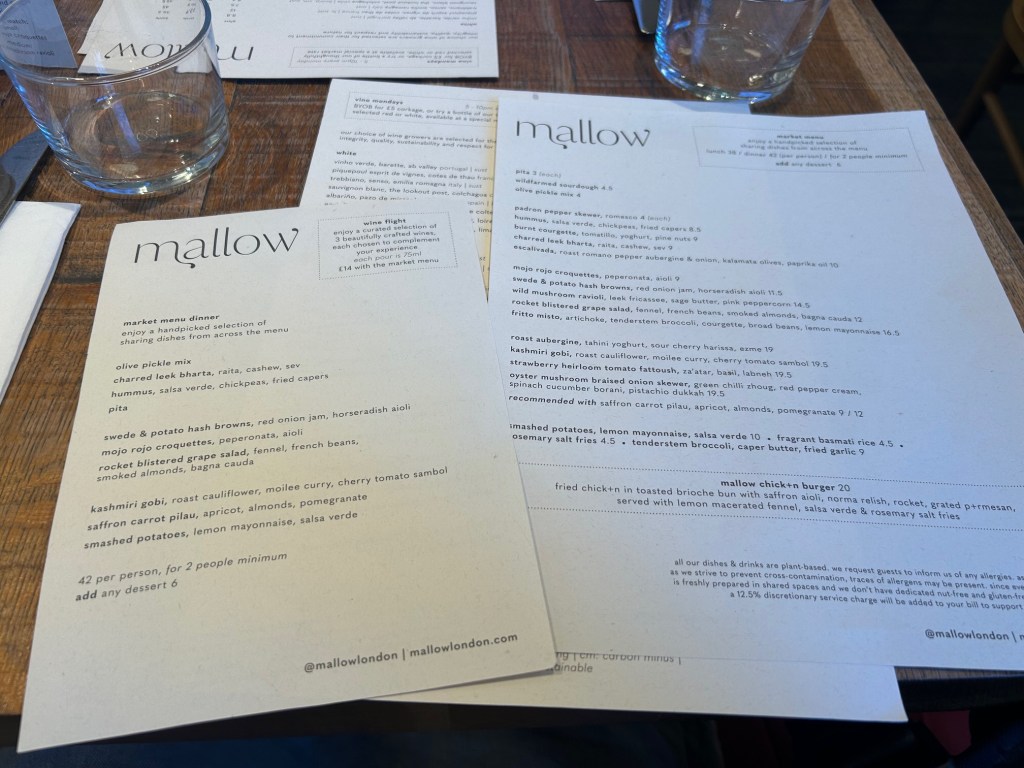
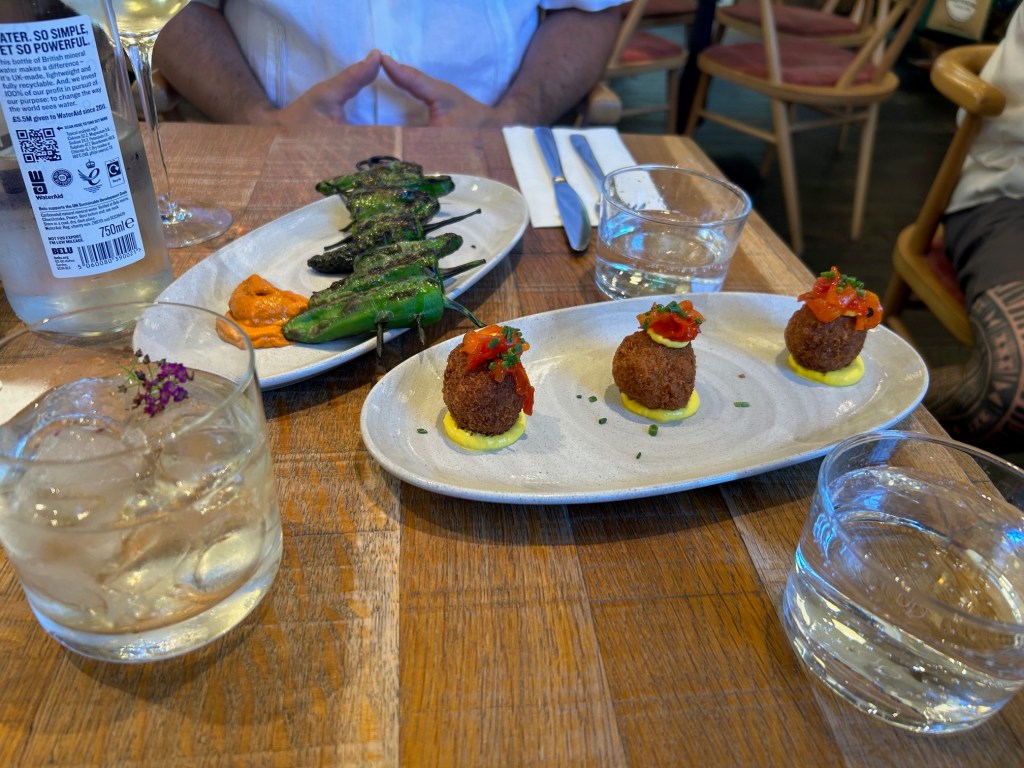
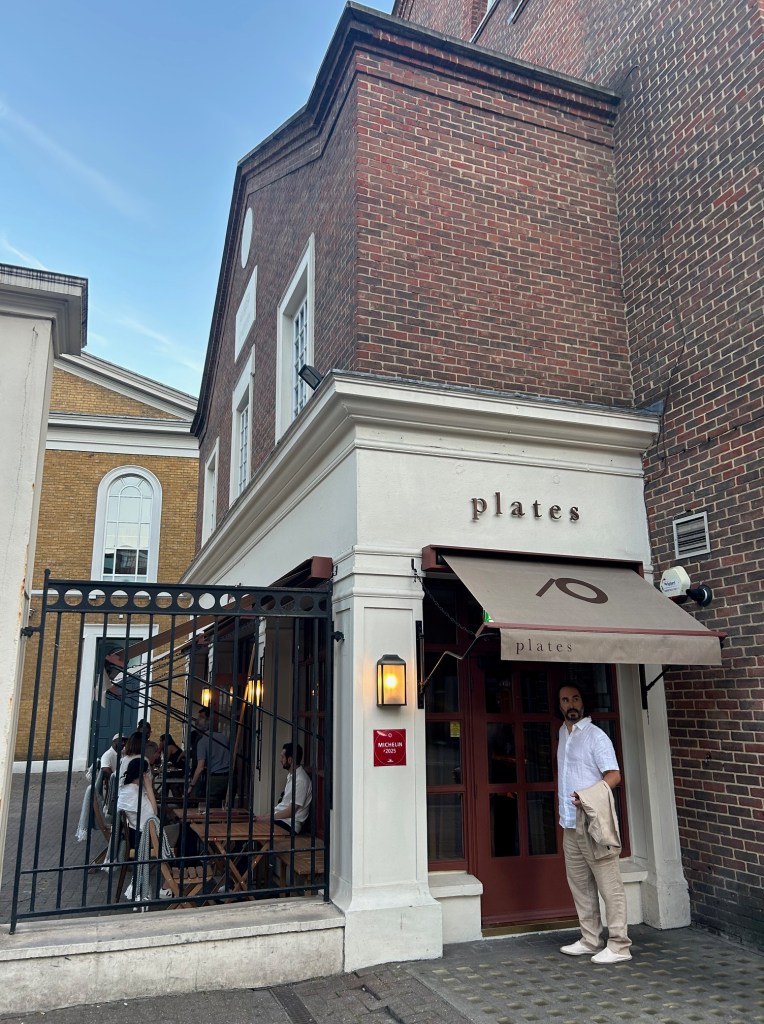
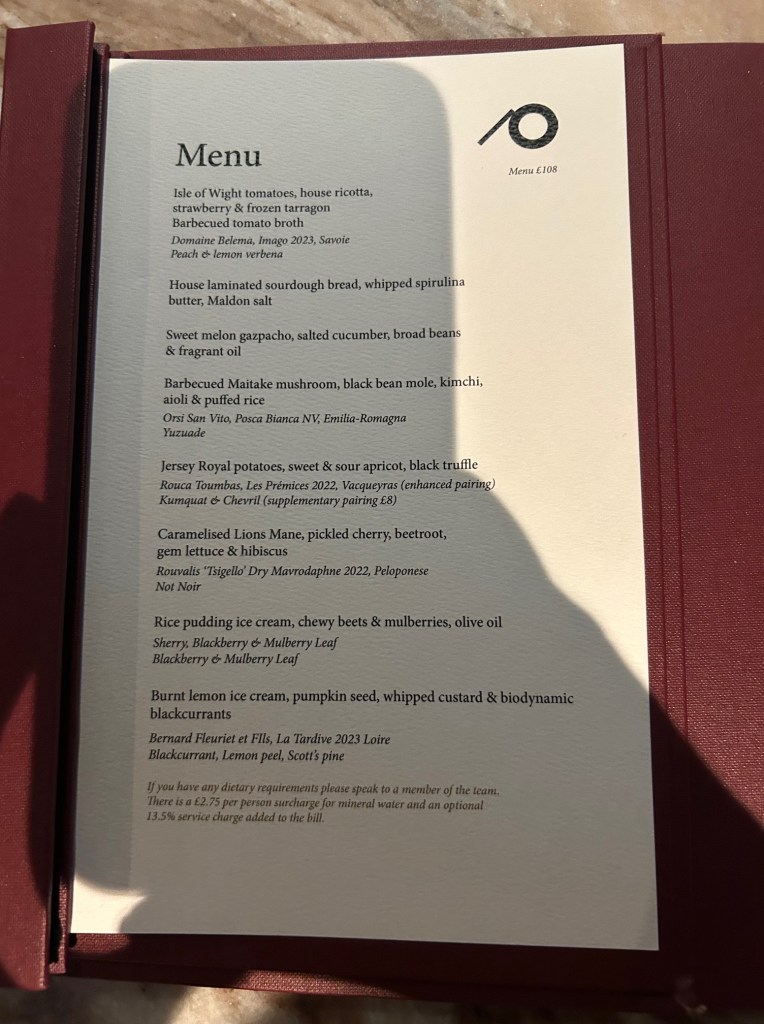
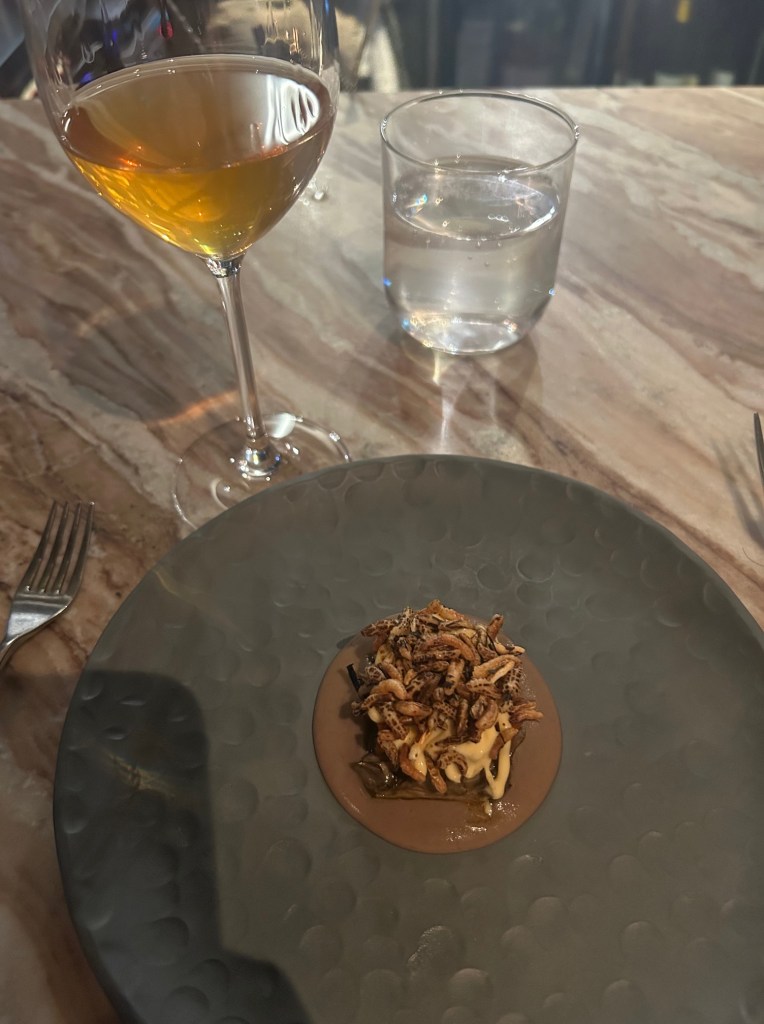
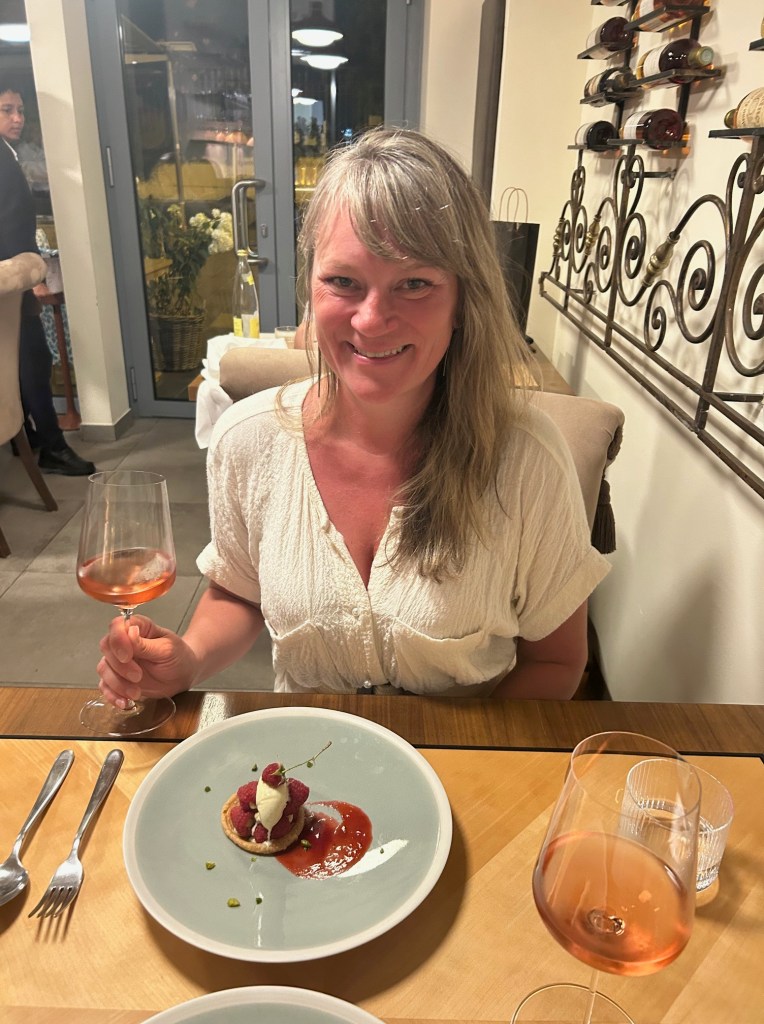
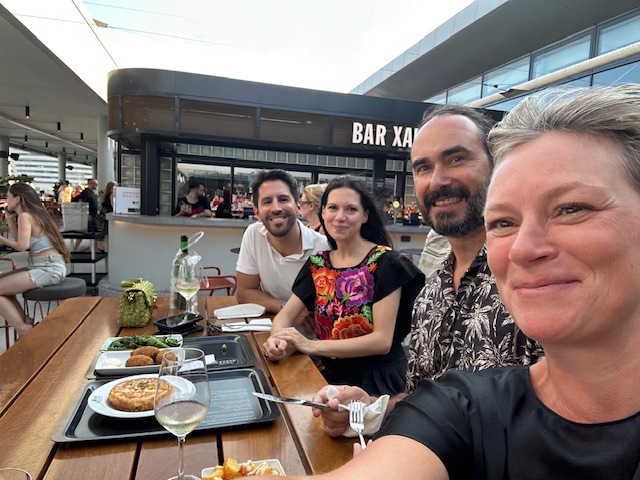
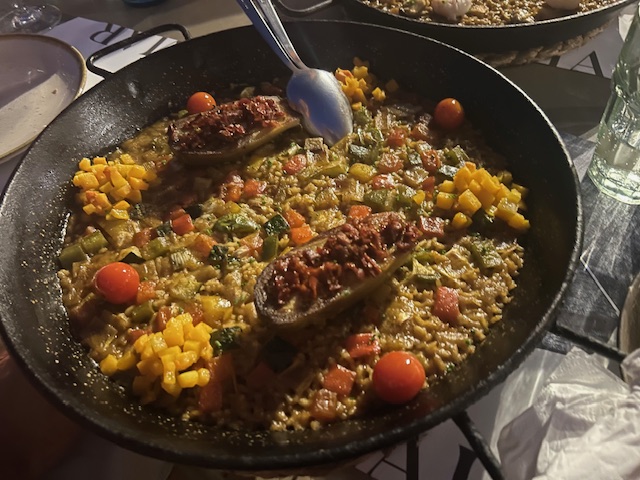
At Plates London (vegan), and Racines (vegetarian) in Nice, France, Toby and I enjoyed thoughtful and original menus highlighting the flavors and versatility of plant-based cuisine, the creativity and ingenuity of open-minded chefs, and intentional wine pairings alongside.
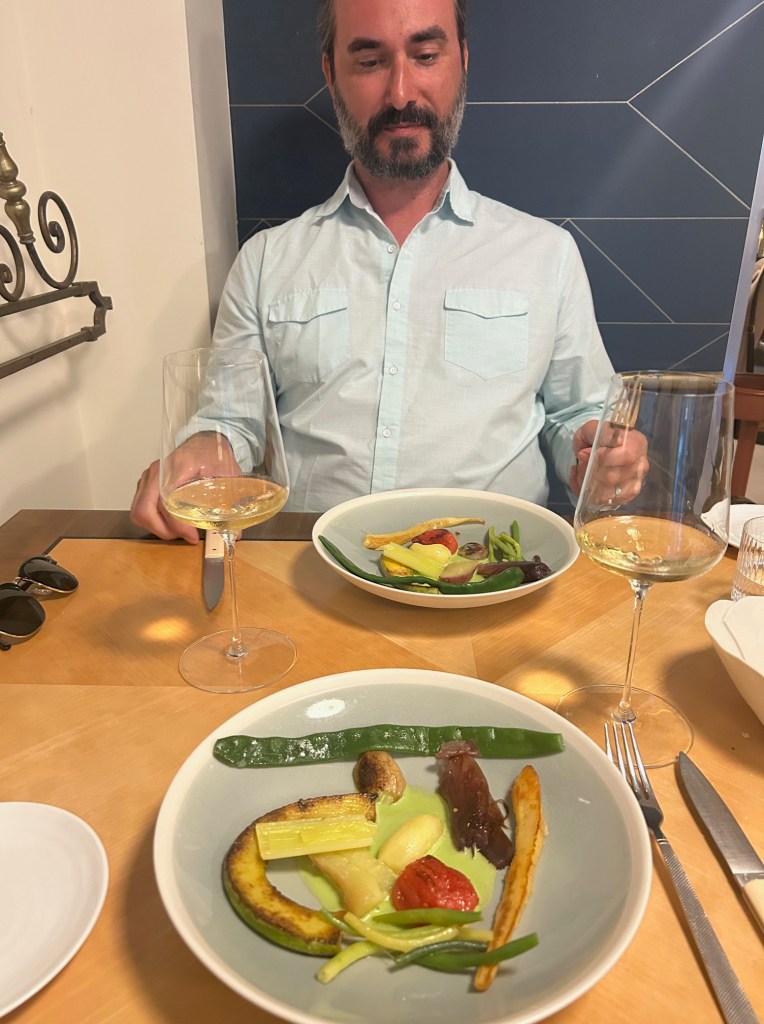
In Nice, crisp Provençal rosé accompanied most of our meals, from wheat berry salads and gazpacho, to artichoke risotto, truffle burrata salad, whole roasted sweet pimento peppers, pissaladière, pasta, pizza, and the naturally vegetarian chickpea flour street snack, socca (this we somehow managed to eat without wine, wandering the market of the Cours Saleya).
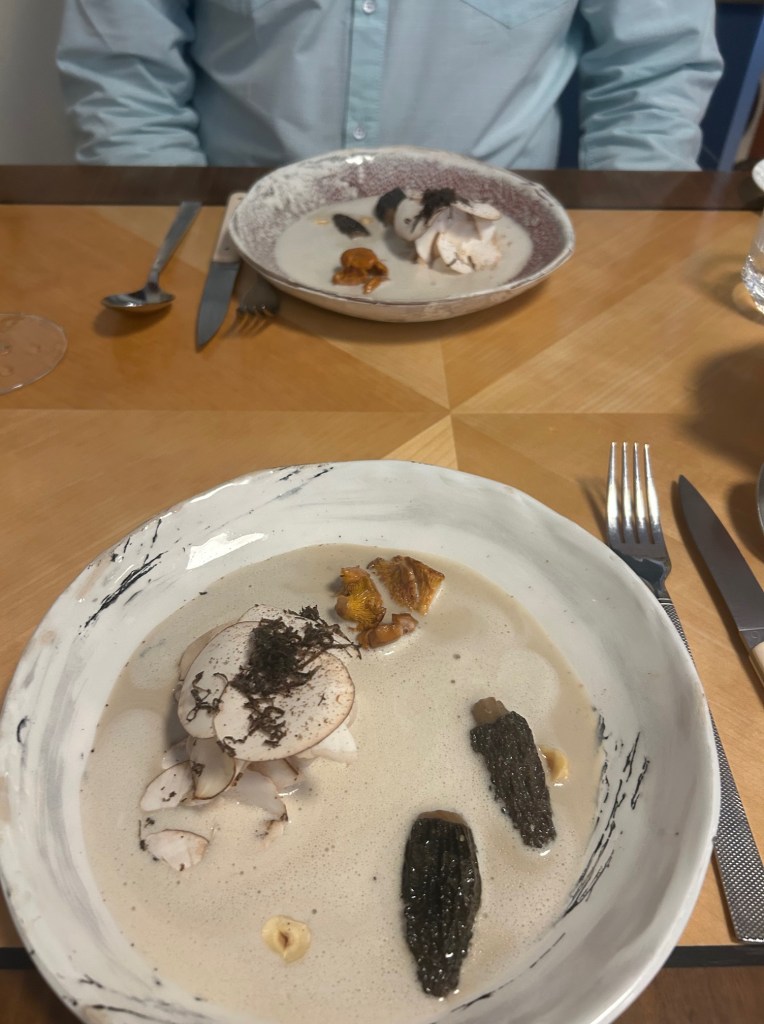
We particularly enjoyed Mediterranean-influenced pairings such as deconstructed ratatouille and an out of this world cream of morel soup (remarkably still in season in July, featuring mushrooms harvested from northern Italy) with a hearty, fragrant Condrieu from the Northern Rhone.
Why you should care: From home kitchens to Michelin-starred restaurants, food quietly communicates: a restaurant’s values, a chef’s preferences, a reliance on traditions—sometimes bias, or blindspots. When it comes to food and wine pairings, it‘s important to consider who is silently invited, or discouraged, from joining everyone else at the table by what’s on the menu. This will become vital as the wine industry struggles to retain its relevance in a fast-changing economy (and culture) that appears to be totes fine with leaving wine behind as a dusty artifact of the unenlightened before-times.
In an ironic twist, the about-face of Eleven Madison Park’s decision to serve meat again sort of illustrates this, however disingenuously. In an email to its mailing list, Chef Daniel Humm claims his reason is that it “became clear that while we had built something meaningful, we had also unintentionally kept people out.”
I simply can not wrap my head around this logic: Financial reasons, however kowtowing they might be to the cult of meat and the economic factors it influences, I can grasp. But saying vegan food isn’t for everyone? That’s literally what vegan food is: something everyone can eat.
Getting dirty
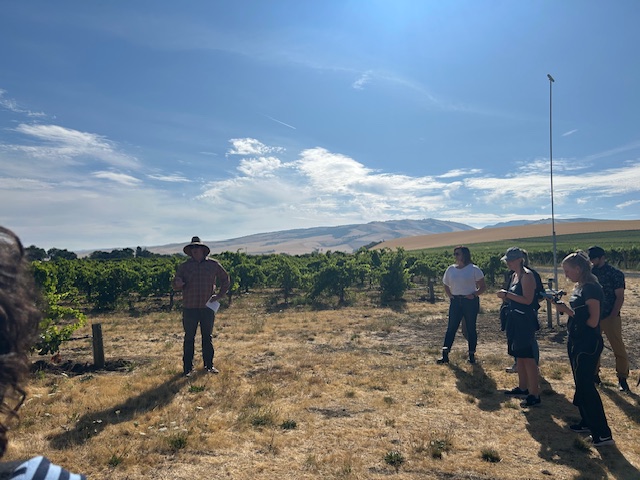
A vineyard visit with fellow winery members of the Walla Walla Valley Wine Alliance in early August took a sizable group of us to a number of nearby vineyards to meet with growers and feel the dirt and rocks beneath our boots. It was a delight to stomp along the rows of Les Collines, nestled in a quiet pocket of the Blue Mountain foothills; the new North Fork vineyard, planted at a steep slope upwards of 2000 feet above Milton-Freewater and just starting to produce fruit; and the PÁŠXA vineyard in the Rocks District, popping out of basalt cobblestones that radiate heat back to plants—and people. It was hot!
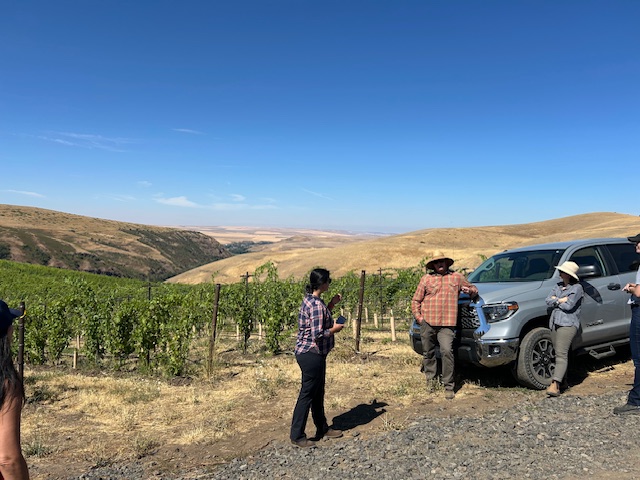
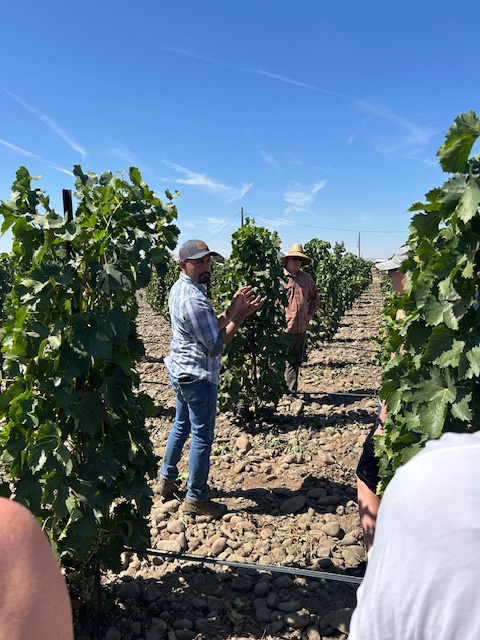
Why you should care: With wine, there’s always something to learn. Put yourself out there. Be bold and ask questions. No one knows everything about wine. One of the interesting factoids I picked up on this trip is that the North Fork vineyard area is, for now, without much of a distinguishing appellation—it is not part of the Walla Walla Valley, the Rocks District, or even the entire Columbia Valley, though it’s surrounded by them all. Turns out the sky is the limit in the Columbia Valley, which caps its boundary to vineyards under 2000 feet. Because NF tops out at around 2100 feet, its appellation is simply, “Oregon.” (But for this joint venture between Valdemar Estates and Force Majeure, we’ll see for how long. If things go well there, it’s likely the area will petition to become its own AVA.)
We returned to the Walla Walla Community College for lunch and my Pursued by Bear colleagues and I shared a couple bottles of the 2024 College Cellars Chenin Blanc—what a stunner! A well-structured wine with moderate acidity, clean minerality, aromatic notes of stone fruit, and a pleasing mouthfeel. It was such a lovely wine, as I learned later one that swept the Cascade International Wine Competition. I’m excited to try the next releases from E+V students; it sure seems like director Martin Fujishin has been a reassuring and stabilizing influence on the program.

Watching little fluffy clouds
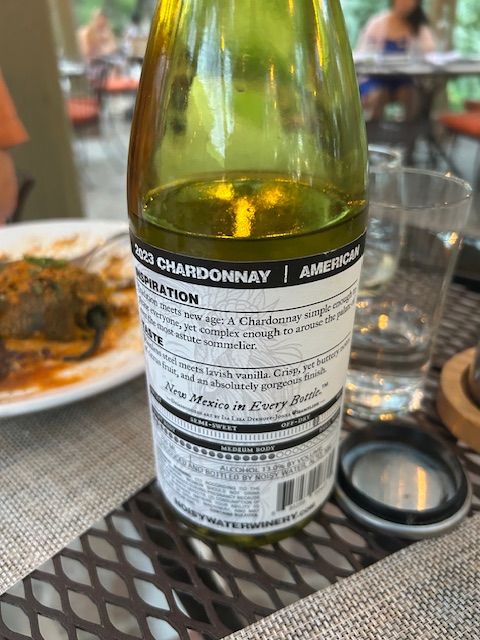
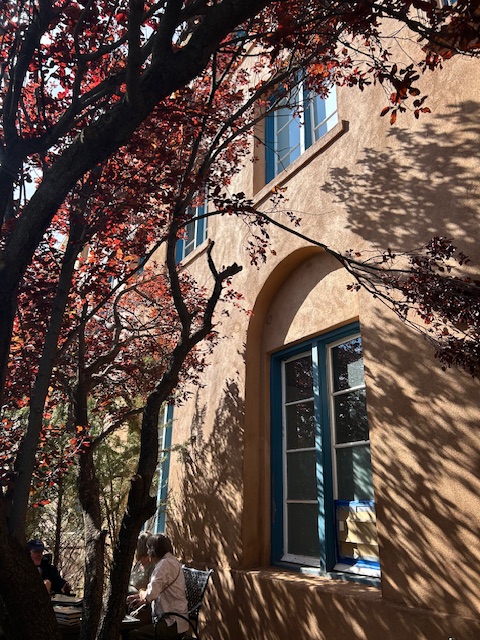
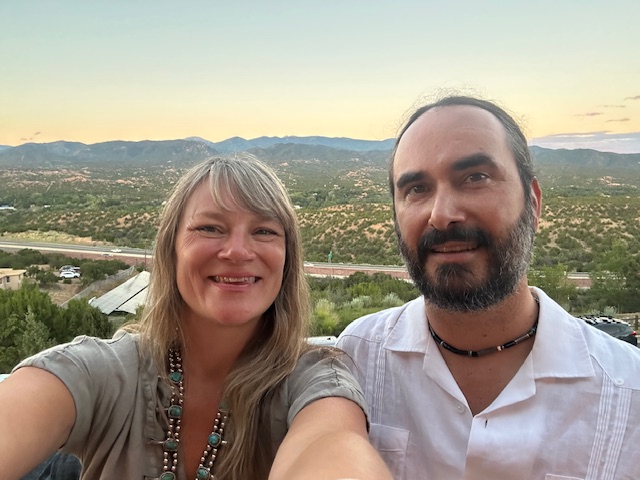
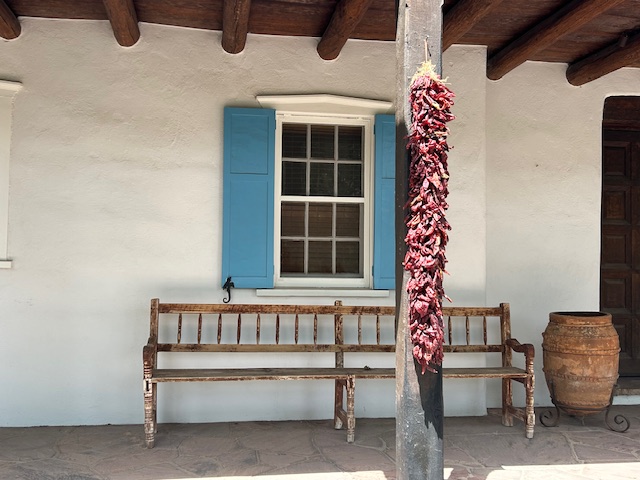
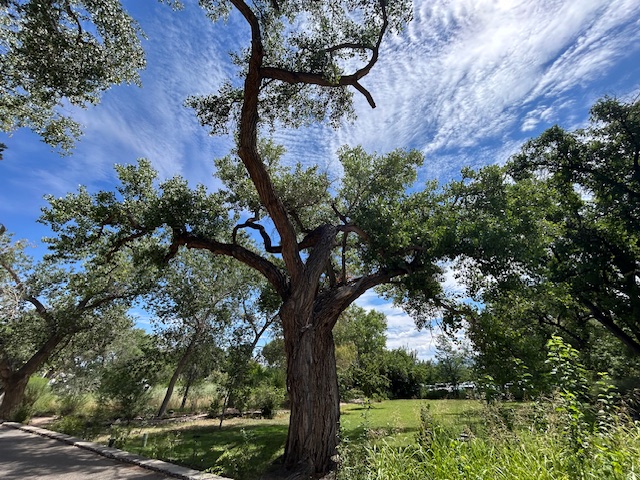
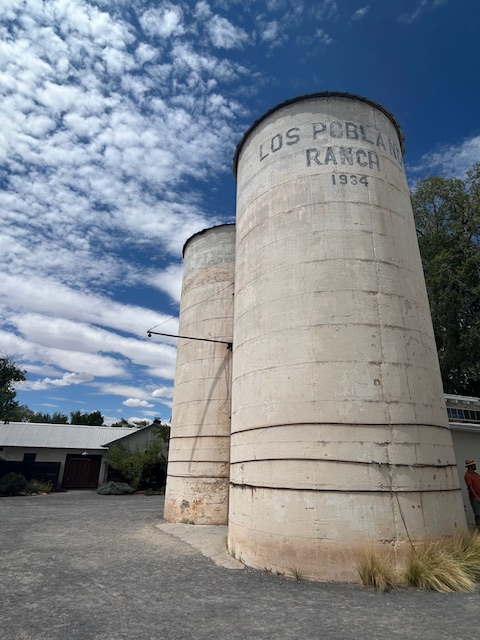
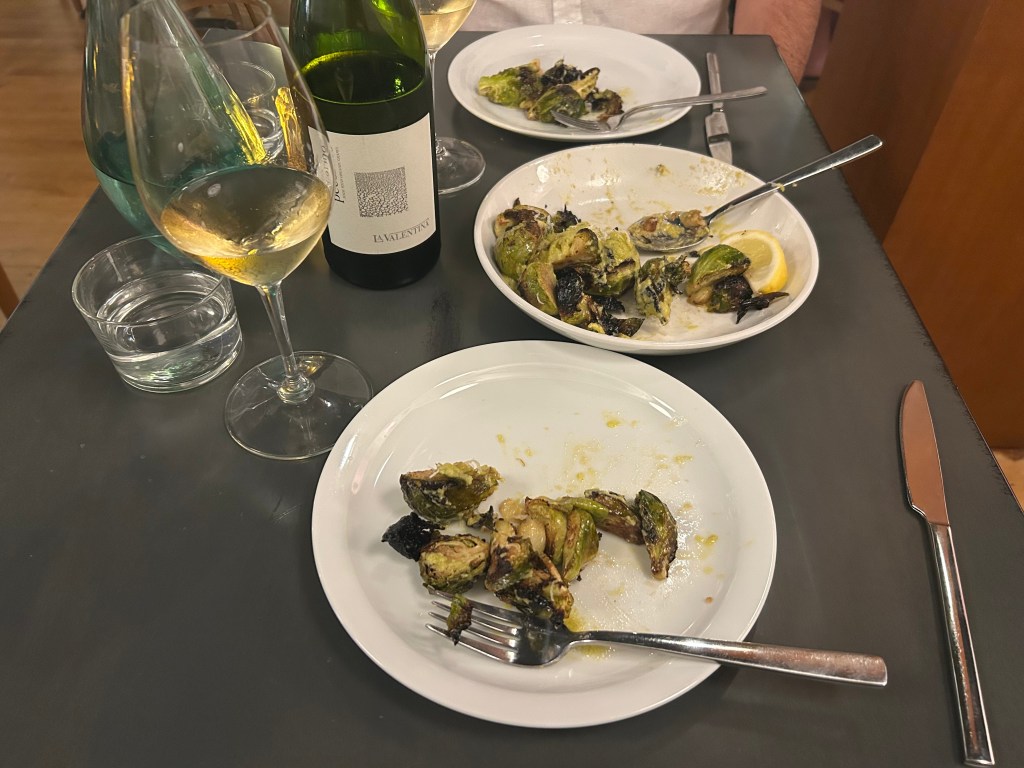
A long planned trip to Santa Fe, New Mexico had us trying old beloved brands (we returned to the Hotel St. Francis to refresh our palates with a current tasting at the Gruet tasting room) and sampling new ones. The first night at our hotel, we ordered a bottle of New Mexico Noisy Water Demigoddess Chardonnay and were confronted with a surprise—it was good, food friendly, and we liked it! And I was having red and green veggie enchiladas—with all its smoky, spicy, and dense flavors, not an easy pairing.
This made me think, why was I expecting the wine to be bad? Because I don’t know much about New Mexico wine—and my ignorance is somehow the threshold that determines quality? How arrogant, and absolutely presumptuous of me.
Why you should care: Try something new, learn something new—about yourself, about your assumptions. Check your expectations from time to time. They say a lot about you.
Making wine normal again
So here’s the deal. Wine is a product of human civilization, civilization having produced culture, and culture being the plot device making every Seinfeld episode tick. Over our travels lately, I have began to contemplate wine and Seinfeld sometimes simultaneously.
Maybe it was the man clipping his fingernails, clippings a’flying, waiting for a flight at a crowded gate full of his fellow passengers. Perhaps it was the woman, nail rasp in hand, noisily grating and filing her nails in the seat behind me at the Santa Fe opera during the second act of a live performance. Or, it could have been the oblivious couple, who followed me and Toby into the near-empty Albuquerque airport, and hovered over us checking their phone as we re-packed our bag.
Is it any wonder that as wine fades in popularity, the veneer of cultural norms, personal awareness, and sensitivity towards others that once made public life tolerable has now almost completely vanished itself? Could it be that in helping wine to become “normal” again, we might also signal a willingness to work and live together as a civil society?
I don’t think the two are unrelated. But I do wish Seinfeld was around to tackle it.

 Gwendolyn Elliott
Leave a reply to Colleen Snyder Cancel reply